A hospital can digitize an existing X-ray room without replacing the entire generator, but a room retrofit does not automatically provide bedside imaging. By distinguishing a fixed-room upgrade from a portable detector deployment, checking compatibility and mapping daily routes, you can determine whether one retrofit will add useful capacity or create a shared-equipment bottleneck.
Key takeaways
- Confirm generator, bucky, workstation, network and power compatibility before retrofitting.
- Use a wireless detector to cover wards, emergency areas and overflow imaging.
- Choose a second DR room when detector demand creates repeated queues.
- Test image quality, battery life, wireless coverage and DICOM workflow before launch.
What a DR retrofit changes—and what becomes portable
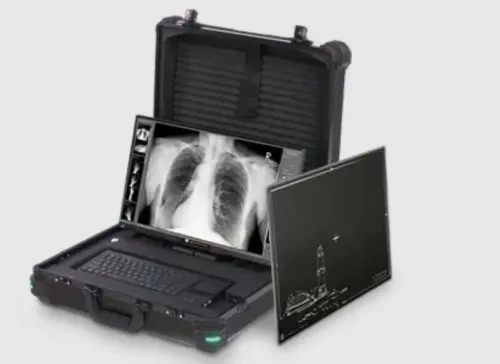
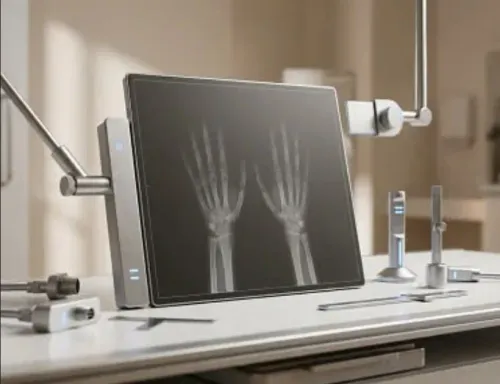
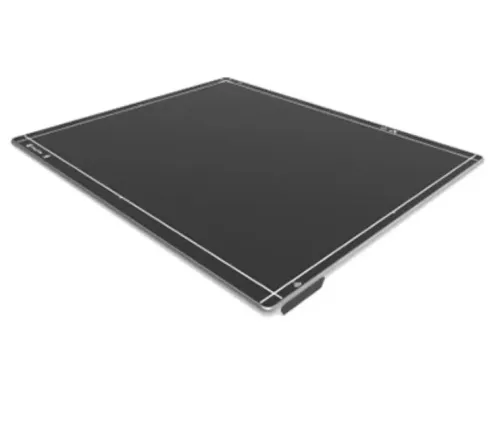
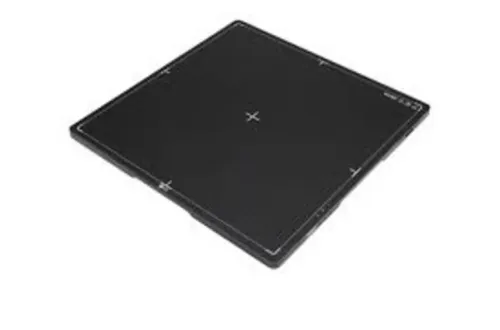
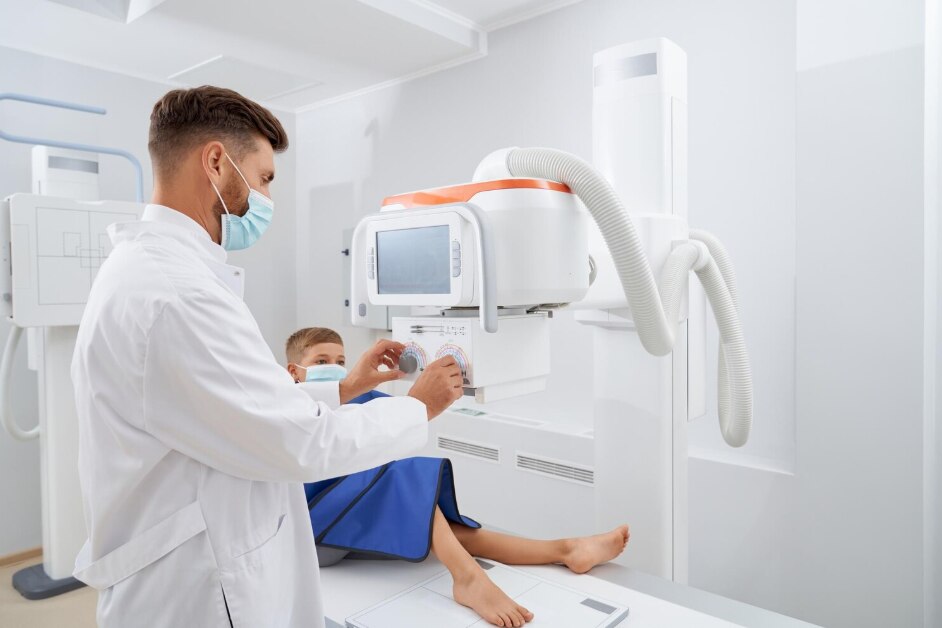
A DR retrofit system in Nashik adds a flat-panel detector, acquisition workstation, image-processing software and interfaces to an existing X-ray room. It usually retains the generator, tube stand, table and bucky, replacing film or CR handling rather than replacing the complete room.
Confirm detector dimensions, cassette-tray or bucky fit, exposure-switch compatibility, wireless support, workstation connectivity and DICOM compatibility before purchase.
| Fixed-room retrofit | Portable DR retrofit |
|---|---|
| Detector stays in the room’s bucky or cassette tray | Detector moves to wards, ICU, emergency areas or outreach sites |
| Existing wall-stand generator remains room-bound | Mobile X-ray generator travels with the detector when required |
| Images acquired at the room workstation | Battery-powered detector, acquisition computer or tablet, and wireless link travel together |
| Equipment returns to the room after use | Detector returns to a charging and storage point |
In either setup, position the patient, select the examination, expose, and review the image at the acquisition workstation. Send the study through DICOM to PACS or reporting software, then print it when a physical copy is required.
A wireless detector alone does not make a room portable. For portable digital radiography in Nashik, the detector, battery, acquisition device and link must move safely; the hospital also needs bedside identification, charging, approved cleaning and a process for offline storage when Wi-Fi fails.
A fixed wall-stand generator cannot follow the detector unless the hospital has a mobile X-ray generator.
How to check whether an existing X-ray room can support the retrofit
Do not approve a DR retrofit until the room, detector and software pass a compatibility check. A DR retrofit for hospitals in Nashik can preserve a useful generator, but it cannot repair weak output, unstable exposure or poor shielding.
1. Record the generator’s output, electrical condition, exposure-switch connection, automatic exposure control, kVp and mAs ranges, exposure reproducibility, tube-stand alignment and source-to-image distance. Confirm that the detector fits the bucky or cassette tray, including dimensions, active area, thickness and weight. Test wireless operation without a bucky, exposure synchronization and the generator interface.
2. Test the detector’s battery runtime, charging method, workstation connection and movement route. Check whether a DR retrofit system in Nashik can reach every intended ward and emergency area through lifts and corridors, and identify charging points, Wi-Fi dead zones and the number of X-ray rooms.
A wireless detector does not make a fixed generator portable.
3. Connect the workstation to RIS and PACS using DICOM Modality Worklist. Verify accession-number handling, routing, rejected-image behavior and required tags such as Patient Name, Patient ID, Study Date, Modality, Body Part Examined and Laterality. Test network downtime procedures and local image storage.
Before purchase, document infection-control cleaning, approved detector covers, biomedical-engineering support, AERB authorization, shielding, quality-assurance results and servicing records. Resolve these gaps before commissioning, not after the detector reaches patients.
Where one portable detector adds capacity—and where it creates a queue
One detector can cover a ward, emergency area, ICU and outreach visit while the fixed X-ray room keeps operating. Compared with CR, immediate image review removes waiting for cassette transport, processing and repeat trips to a CR reader.
That is where the portable DR system benefits become visible: fewer handoffs and faster decisions, not merely a newer detector.
Protect that throughput by controlling the points that create delays:
- Charge the detector before each shift, keep a tested spare battery, and assign responsibility for charging.
- Use a carry case and safe handling procedure; a dropped panel can remove the only portable service from operation.
- Map wireless dead zones and define offline image storage and later DICOM transmission.
- Confirm patient identity and examination selection at the bedside before exposure.
- Record every repeat exposure, then investigate positioning, motion, technique or identification errors.
- Clean and disinfect the detector between patients with a method approved for its housing; prevent fluid ingress and use covers that do not obstruct positioning or wireless communication.
- Select the grid or no-grid technique deliberately, then control centering, focal distance, positioning and scatter to avoid grid cutoff and repeats.
- Return the detector to its charging and storage point after each route.
Capacity follows the shift schedule. One detector cannot serve two locations at once, and it creates a queue when cleaning, charging, repair or calibration removes it from service. For DR retrofit system benefits for portable imaging in Nashik, count examinations per shift, trained operators and detector availability—not the detector alone.
One wireless detector or a second complete DR room?
Choose a wireless detector when your bottleneck is bedside access; choose a second DR room when both existing rooms are occupied and examinations are waiting. The portable DR system retrofit benefits include mobile coverage without constructing another room, moving patients, or taking an operating room offline for replacement.
After electrical, mechanical and radiation-safety checks, it can preserve the current generator and table.
A second room delivers dedicated throughput and avoids sharing a detector, but needs floor space, shielding, layout work, generator installation, trained staff and commissioning. A detector carried to an ICU does not make the X-ray source portable: a fixed wall-stand generator remains room-bound unless you also have a mobile X-ray generator.
| Option | Capacity gain | Main requirements | Main risk |
|---|---|---|---|
| Wireless detector retrofit | Adds ward, ICU and emergency coverage while the existing room operates | Compatible generator, bedside workflow, charging, PACS and trained operators | One detector cannot serve two locations or add capacity during repair |
| Second complete DR room | Adds dedicated parallel examinations | Space, shielding, generator, installation, staffing and commissioning | Higher installation work and room downtime |
Base the decision on your numbers: portable examination volume, CR or film turnaround, emergency and ICU demand, room utilization, repeat rates and wards covered per shift. Price detector spares, battery replacement, accidental-damage cover, calibration, PACS integration, cybersecurity support, repair turnaround and the cost of losing the only detector during service.
For a dr retrofit for hospitals in nashik, Spark Medical Services can help test compatibility and commission a selected system with local service support.
Related products
 | Portable DR (Digital Radiography ) System -We Provide sales and service to all types of DR -Our Portable DR System offers a compact, high-performance... View product → |
 | DR System ₹950000 The LUMEN HD Detector by Varex Imaging represents a major advancement in digital radiography technology. View product → |
What must be tested before portable DR becomes routine
Approve portable digital radiography in Nashik only after the workflow works at the bedside, not merely after an image reaches PACS. Test:
1. Select the patient and examination from DICOM Modality Worklist, verify two identifiers, and confirm accession number, required DICOM tags, RIS/PACS routing and rejected-image handling. Define encrypted local storage and a controlled resend process for network outages.
2. Train every operator on positioning, collimation, approved covers, detector disinfection, battery exchange and repeat recording. Review repeat causes by operator and examination, then set local technique charts and review exposure index (EI) and deviation index (DI). EI indicates detector response, not patient dose.
3. Complete acceptance testing for detector uniformity and artifacts, spatial resolution, contrast performance, EI behaviour, collimation and field alignment, exposure reproducibility, wireless connectivity and battery condition. Repeat these quality-control checks on the facility’s documented schedule.
4. Confirm generator compatibility, PACS and RIS testing, infection-control procedures, charging ownership, biomedical-engineering escalation and AERB documentation. A shift-level schedule must show where the detector is available and who returns it for charging.
Go live only when these records show reliable coverage at the point of demand. That is what makes the DR retrofit system benefits portable for imaging in Nashik, rather than adding duplicate studies, delayed uploads or a detector stranded in one room.
Frequently asked questions
What does a DR retrofit change in an existing X-ray room?
It adds a flat-panel detector, acquisition workstation, image-processing software and interfaces while retaining compatible room equipment such as the generator, tube stand, table and bucky.
How do you check whether an X-ray room supports a DR retrofit?
Check the generator and detector interface, bucky dimensions, power supply, workstation location, network connection, DICOM routing and available space for safe operation.
Where can one portable DR detector add imaging capacity?
A wireless detector can serve wards, emergency areas, intensive care units and overflow cases without moving patients to the fixed X-ray room.
When is a second complete DR room better than one wireless detector?
Choose a second room when staff regularly wait for the detector, multiple areas need imaging simultaneously, or fixed-room demand already creates a queue.
What must be tested before portable DR becomes routine?
Test image quality, exposure settings, detector battery life, wireless coverage, infection-control cleaning, DICOM transfer, patient identification and backup procedures.
Keywords