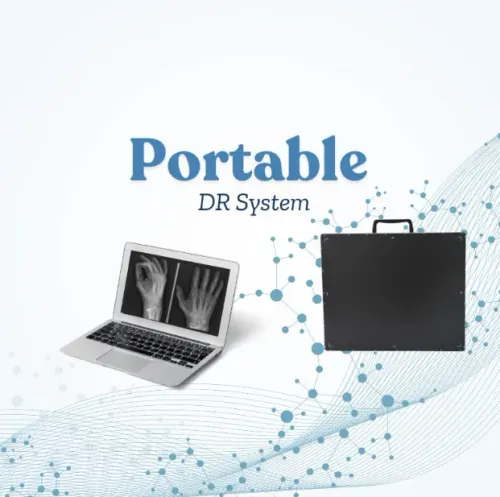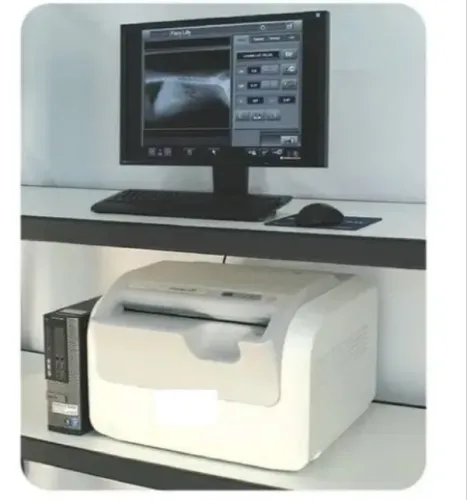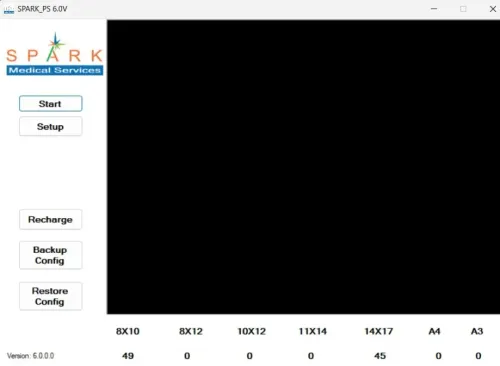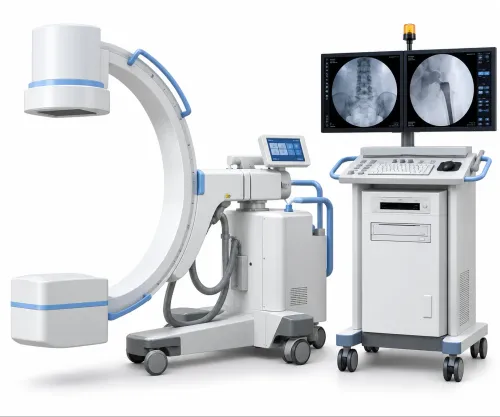
Digital Radiography (DR) systems have transformed medical imaging by delivering high-resolution images within seconds, reducing examination times, and improving diagnostic accuracy. As hospitals and diagnostic centres increasingly depend on DR technology, keeping these systems in peak operating condition has become just as important as selecting the right equipment. This is where an experienced DR Services Engineer plays a crucial role.
From installation and calibration to preventive maintenance and emergency repairs, a qualified engineer helps ensure that digital imaging systems continue to perform consistently. For healthcare providers across Maharashtra, minimizing equipment downtime directly impacts patient care, operational efficiency, and overall productivity. Companies like Spark Medical Services support hospitals and imaging centres by providing technical expertise that helps maintain the reliability of advanced radiology equipment.
Why Healthcare Facilities in Nashik Need Professional DR Engineering Support
Hospitals and diagnostic centres in Nashik often perform hundreds of digital X-ray examinations every week. Any unexpected interruption can delay patient diagnosis, increase waiting times, and affect the daily workflow of radiology departments.
Professional DR engineering services help healthcare facilities:
- Maintain uninterrupted imaging operations
- Improve image consistency
- Reduce equipment downtime
- Extend the lifespan of expensive imaging systems
- Ensure smooth communication with PACS and Hospital Management Systems
- Minimize costly emergency repairs
Regular technical support allows healthcare teams to focus on patient care rather than equipment-related challenges.
What Does a DR Services Engineer Do?
A DR Services Engineer specializes in maintaining Digital Radiography equipment throughout its operational lifecycle. Their responsibilities extend beyond repairing faults and include preventive care that helps avoid future problems.
Typical responsibilities include:
- Installation and commissioning
- Detector calibration
- Software updates
- Image quality testing
- Preventive maintenance
- Electrical inspections
- Network configuration
- DICOM connectivity verification
- Hardware troubleshooting
- Operator guidance after servicing
Each of these activities contributes to maintaining consistent diagnostic performance.
Common Issues That Require Professional Attention
Even modern DR systems require periodic servicing. Some technical issues develop gradually, while others may appear unexpectedly during routine operation.
Common problems include:
- Detector communication failures
- Image artifacts
- Slow image acquisition
- Software errors
- Workstation performance issues
- DICOM transfer failures
- Exposure synchronization problems
- Network connectivity interruptions
- Power-related faults
Early diagnosis by a qualified engineer often prevents small issues from developing into major repairs.
Preventive Maintenance Is More Valuable Than Emergency Repairs
Many healthcare organizations only request technical support after equipment stops working. In reality, preventive maintenance offers significantly greater long-term value.
Routine servicing helps:
- Detect worn components early
- Maintain detector performance
- Improve image consistency
- Reduce unexpected breakdowns
- Increase equipment reliability
- Lower long-term maintenance costs
- Maintain compliance with manufacturer recommendations
Scheduling regular maintenance also helps hospitals plan service visits without disrupting patient appointments.
Qualities to Look for in a DR Services Engineer
Not every technician possesses the specialized knowledge required to work with advanced digital radiography equipment.
Before choosing a service provider, consider whether the engineer has experience with:
- Multiple DR system manufacturers
- Flat panel detector technology
- DICOM networking
- PACS integration
- Image processing software
- Hardware diagnostics
- Preventive maintenance protocols
- Calibration procedures
Strong technical knowledge allows engineers to identify the root cause of issues rather than only addressing visible symptoms.
A Simple Checklist Before Scheduling DR Maintenance
Hospital administrators and radiology managers can use the following checklist to determine whether servicing may be required.
- Images appear less sharp than usual.
- Image transfer to PACS takes longer.
- The workstation displays recurring error messages.
- Detector response has become inconsistent.
- Preventive maintenance has not been performed in several months.
- Software updates are overdue.
Users report slower system performance.
If several of these signs are present, scheduling a professional inspection is often the most practical approach.
Why Technical Documentation Matters
Experienced DR engineers do more than repair equipment. They also maintain service records that help healthcare facilities monitor system performance over time.
Documentation typically includes:
- Maintenance reports
- Calibration results
- Software update records
- Component replacement history
- Performance verification
- Service recommendations
Keeping accurate records simplifies future maintenance planning and supports better equipment management.
Frequently Asked Questions
How often should a DR system be serviced?
Most manufacturers recommend scheduled preventive maintenance at least once or twice a year, depending on equipment usage and operating conditions.
Can regular servicing improve image quality?
Yes. Detector calibration, software optimization, and performance testing help maintain consistent image quality while reducing repeat examinations.
What happens if preventive maintenance is delayed?
Ignoring scheduled maintenance may increase the likelihood of unexpected equipment failures, image quality issues, and longer downtime.
Is software maintenance as important as hardware servicing?
Absolutely. Updated software improves system stability, cybersecurity, workflow efficiency, and compatibility with other hospital systems.
Modern digital radiography equipment represents a significant investment, and protecting that investment requires expert technical support. A qualified DR Services Engineer helps ensure imaging systems continue operating efficiently, produce reliable diagnostic images, and integrate smoothly with the hospital's digital infrastructure. For healthcare providers in Nashik, working with experienced specialists such as Spark Medical Services supports long-term equipment performance, reduces operational interruptions, and helps deliver consistent, high-quality patient care every day.
Keywords