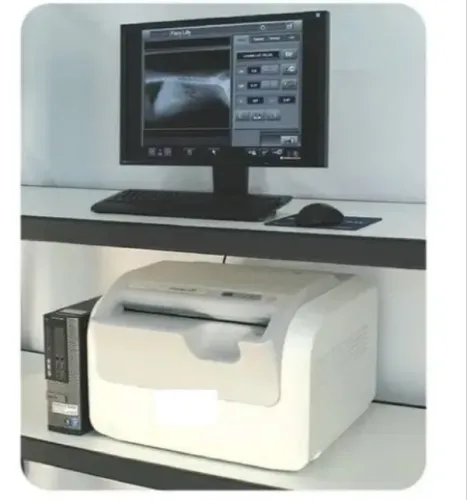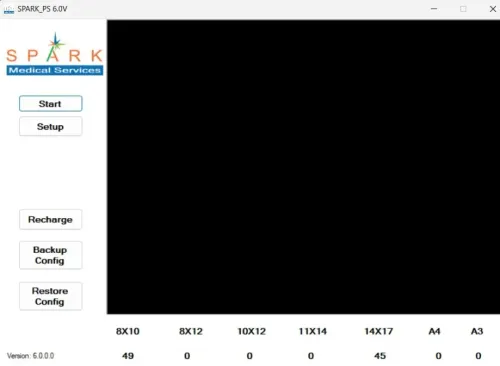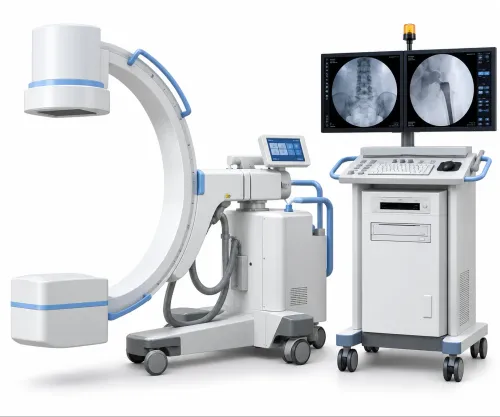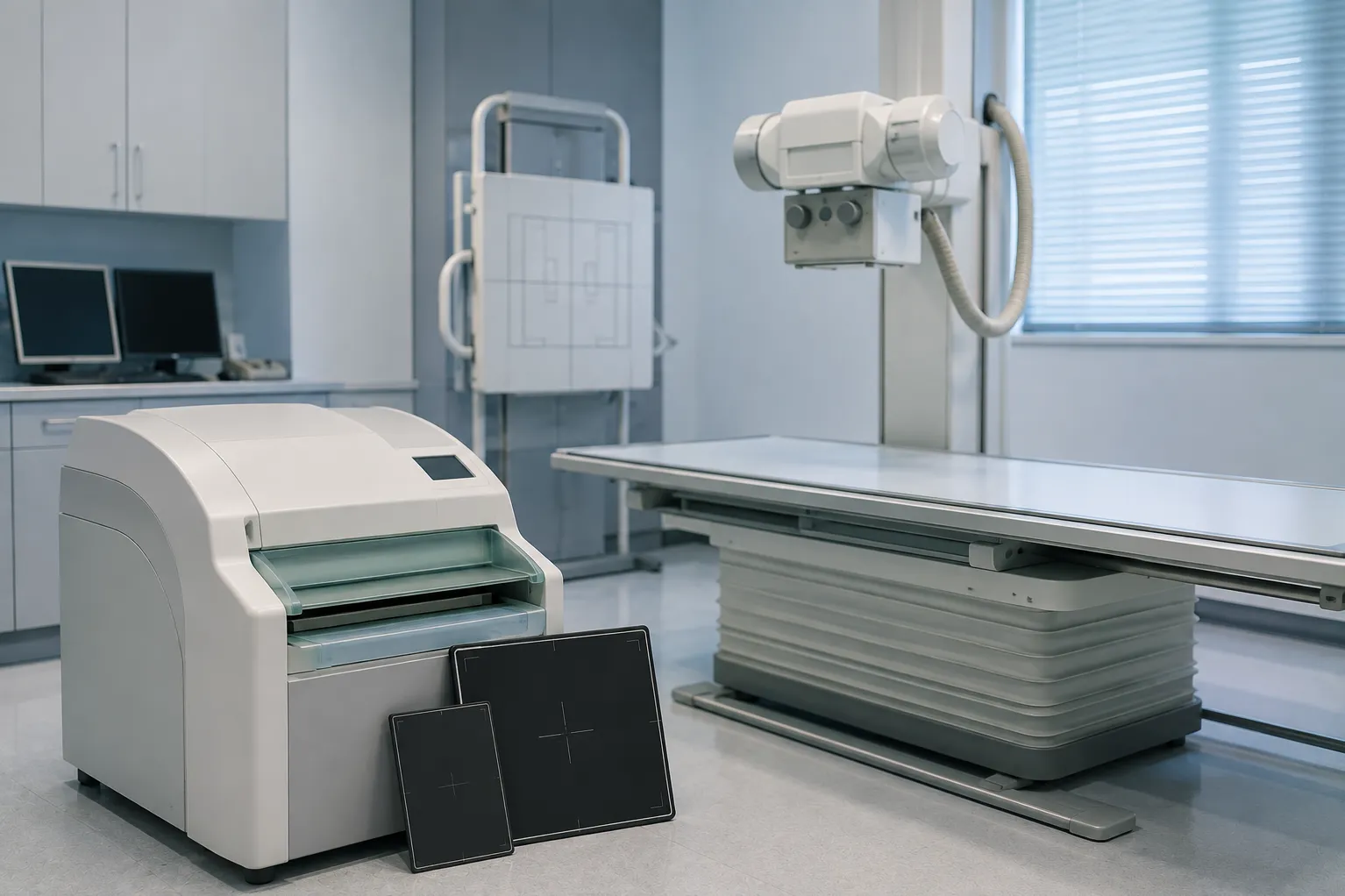
Computed Radiography (CR) systems continue to play an important role in hospitals, diagnostic centres, and specialty clinics. Although many healthcare facilities are transitioning to Digital Radiography (DR), CR equipment remains a dependable solution for routine diagnostic imaging. Like any sophisticated medical technology, however, consistent performance depends on regular maintenance and timely technical support. This is where the expertise of a CR Service Engineer becomes invaluable.
Healthcare providers across Nashik rely on uninterrupted imaging services to support patient care. Even minor technical issues can delay diagnosis, affect workflow, and increase operational costs. Organizations such as Spark Medical Services provide professional engineering support that helps healthcare facilities keep their CR systems operating efficiently throughout their lifecycle.
What Does a CR Service Engineer Do?
A CR Service Engineer specializes in the installation, maintenance, troubleshooting, calibration, and repair of Computed Radiography systems. Their work ensures that imaging equipment consistently produces high-quality diagnostic images while meeting manufacturer specifications and healthcare safety standards.
Typical responsibilities include:
- Equipment installation
- Preventive maintenance
- Software configuration
- Image quality testing
- System calibration
- Hardware troubleshooting
- Detector and cassette evaluation
- Performance optimization
- User guidance and technical support
Their expertise helps minimize downtime while extending the operational life of imaging equipment.
Why Regular CR Maintenance Is Essential
Medical imaging systems operate continuously in busy healthcare environments. Over time, components experience wear, software requires updates, and calibration may drift from optimal settings.
Routine servicing offers several important benefits:
- Consistent image quality
- Reduced equipment failures
- Lower repair costs
- Longer equipment lifespan
- Improved workflow
- Better patient safety
Preventive maintenance is generally far less disruptive and more economical than emergency repairs after a system failure.
Common Problems a CR Service Engineer Can Resolve
Even well-maintained equipment may occasionally develop technical issues. An experienced engineer can quickly identify the root cause and restore normal operation.
Some common issues include:
- Image artifacts
- Scanner communication errors
- Cassette reading failures
- Slow image processing
- Software malfunctions
- Network connectivity problems
- Calibration inconsistencies
- Power supply faults
Prompt diagnosis helps reduce interruptions in patient care and prevents small issues from becoming major repairs.
Signs Your CR System Needs Professional Attention
Healthcare staff should recognize early warning signs that indicate servicing may be required.
Watch for:
- Repeated image quality problems
- Unexpected system shutdowns
- Error messages during scanning
- Increased repeat examinations
- Delayed image processing
- Unusual mechanical sounds
- Difficulty reading imaging plates
Reporting these issues early allows engineers to resolve problems before they affect clinical operations.
Preventive Maintenance Checklist
A structured maintenance schedule helps ensure reliable performance throughout the year.
Routine service activities often include:
- Cleaning internal components
- Inspecting imaging plate readers
- Verifying detector performance
- Updating software
- Checking electrical connections
- Testing image quality
- Reviewing system logs
- Confirming DICOM communication
- Calibrating imaging parameters
Scheduled inspections reduce the likelihood of unexpected equipment failures.
Why Qualified Engineering Support Matters
Medical imaging equipment is highly specialized. Repairs performed without proper technical knowledge may lead to inaccurate imaging, equipment damage, or prolonged downtime.
Experienced CR Service Engineers understand:
- Manufacturer service procedures
- Medical imaging standards
- DICOM communication
- Image processing software
- Preventive maintenance protocols
- Electrical and mechanical diagnostics
Their expertise helps maintain both equipment performance and patient safety.
Choosing the Right Service Partner
Hospitals should evaluate more than just response time when selecting engineering support.
Important considerations include:
- Experience with multiple CR brands
- Availability of preventive maintenance contracts
- Access to genuine replacement parts
- Software support capabilities
- Emergency service availability
- Technical documentation
- Calibration expertise
A reliable service provider becomes an important long-term partner in maintaining healthcare operations.
Frequently Asked Questions
- How often should a CR System be serviced?
Most manufacturers recommend preventive maintenance at scheduled intervals, often every six to twelve months, depending on equipment usage and operating conditions.
- Can regular servicing improve image quality?
Yes. Calibration, software optimization, and component inspection help maintain consistent diagnostic image quality while reducing repeat examinations.
- What causes image artifacts?
Artifacts may result from damaged imaging plates, calibration issues, dust contamination, scanner faults, or software-related problems. A qualified engineer can identify the exact cause.
- Can older CR Systems continue performing reliably?
With proper preventive maintenance, timely repairs, and regular calibration, many CR systems continue providing dependable diagnostic imaging for years.
A dependable CR Service Engineer plays a vital role in keeping medical imaging systems operating safely and efficiently. Regular maintenance not only reduces unexpected downtime but also helps maintain image quality, protect equipment investments, and support uninterrupted patient care. For hospitals and diagnostic centres in Nashik, partnering with experienced technical specialists such as Spark Medical Services ensures that CR systems receive the professional attention needed to deliver consistent performance in today's demanding healthcare environment.
Keywords