Medical imaging has evolved rapidly over the past decade, and so has the way healthcare providers manage diagnostic images. Gone are the days when hospitals relied entirely on physical X-ray films stored in bulky archives. Today, a PACS System has become an essential part of modern healthcare, enabling hospitals and diagnostic centres to store, retrieve, and share medical images securely and efficiently.
As healthcare institutions across Nashik and Maharashtra continue investing in digital infrastructure, organizations like Spark Medical Services support this transition by helping medical facilities implement imaging solutions that improve workflow while enhancing patient care.
What Is a PACS System?
PACS stands for Picture Archiving and Communication System. It is a digital platform used to store, organize, retrieve, and distribute medical images generated from various diagnostic equipment.
Instead of printing films or manually transporting images between departments, PACS allows healthcare professionals to access patient scans electronically from authorized computers and workstations.
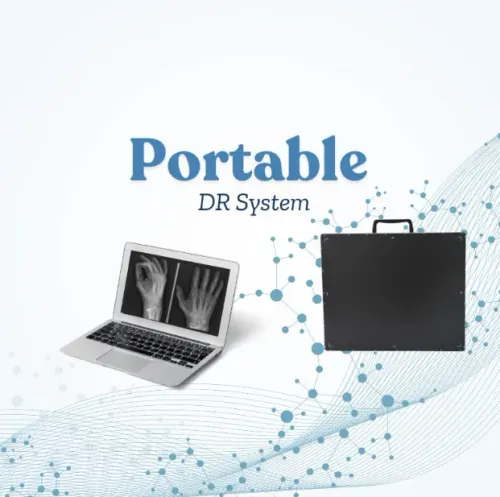
A PACS System typically manages images from:
- Digital Radiography (DR)
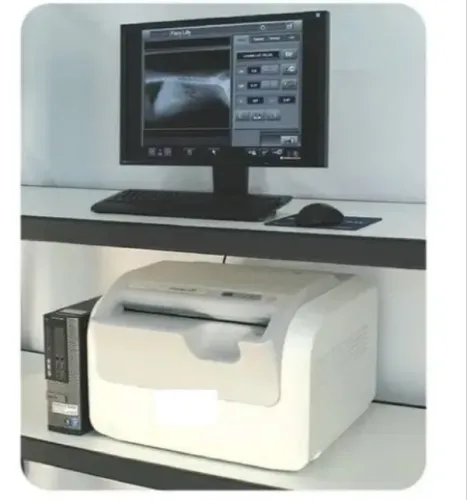
- Computed Radiography (CR)
- CT Scanners
- MRI Systems
- Ultrasound Machines
- Mammography Units
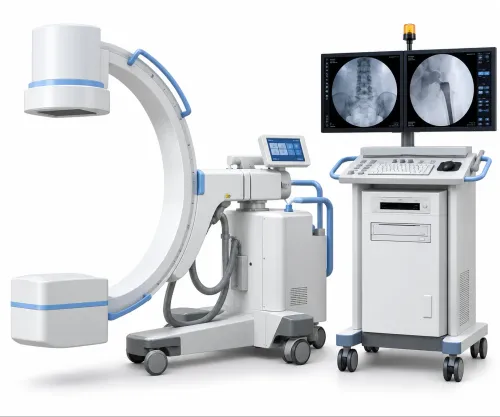
- Fluoroscopy Equipment
This centralized approach helps create a more connected healthcare environment.
Why Is PACS Becoming Essential?
Healthcare facilities handle thousands of diagnostic images every month. Managing these images manually increases the risk of misplaced records, reporting delays, and unnecessary storage costs.
A PACS System addresses these challenges by creating a centralized digital archive that allows medical teams to retrieve images within seconds.
Some of the major benefits include:
- Faster image access
- Secure long-term storage
- Reduced dependence on physical films
- Simplified collaboration between departments
- Improved reporting efficiency
- Better patient record management
For hospitals serving patients from Nashik and nearby districts, these efficiencies can significantly improve daily operations.
How Does a PACS System Work?
Understanding the workflow helps explain why PACS has become such an important healthcare technology.
A typical process looks like this:
- A diagnostic scan is performed.
- The imaging device generates DICOM-compatible images.
- The images are automatically transferred to the PACS server.
- Radiologists review and interpret the images.
- Reports and images become available to authorized clinicians across the hospital.
This digital workflow eliminates delays associated with transporting films or manually searching archives.
Key Features to Look For
Not every PACS solution offers the same capabilities. Hospitals should evaluate features that support both current operations and future growth.
Important features include:
Centralized Image Storage
All diagnostic images are stored securely in one location, making retrieval fast and organized.
DICOM Compatibility
Compatibility with DICOM standards ensures smooth communication between imaging equipment from different manufacturers.
Quick Search Functionality
Healthcare professionals should be able to locate patient studies using details such as patient ID, examination date, or modality.
Secure User Access
Role-based permissions help protect sensitive patient information while ensuring that authorized staff can access the images they need.
Backup and Disaster Recovery
Reliable backup mechanisms help safeguard valuable diagnostic data against hardware failures or unexpected disruptions.
Benefits for Different Healthcare Professionals
A PACS System improves efficiency across multiple departments.
Radiologists
- Faster image interpretation
- Access to previous examinations
- Improved reporting workflow
Referring Physicians
- Immediate access to imaging results
- Better treatment planning
- Faster specialist consultations
Hospital Administration
- Lower film storage costs
- Reduced operational expenses
- Easier compliance with digital record-keeping practices
Patients
- Shorter waiting times
- Faster diagnosis
- Improved continuity of care during follow-up visits
Every stakeholder benefits from quicker access to accurate diagnostic information.
Common Challenges Without PACS
Hospitals that continue relying on traditional film-based workflows often encounter avoidable operational issues.
These may include:
- Lost or damaged films
- Delayed reporting
- High storage costs
- Difficulty retrieving old studies
- Slower collaboration between departments
- Increased administrative workload
Digital image management helps minimize these challenges while improving overall efficiency.
Choosing the Right PACS Solution
Before implementing a PACS System, healthcare facilities should carefully assess their operational needs.
Consider factors such as:
- Number of imaging studies performed daily
- Existing radiology equipment
- Integration with Hospital Management Systems
- Scalability for future expansion
- Data security measures
- Technical support and maintenance services
Selecting the right solution from the beginning reduces future upgrades and implementation challenges.
Frequently Asked Questions
Can PACS work with existing imaging equipment?
Yes. Most modern PACS solutions support DICOM-compliant devices, allowing integration with existing DR, CR, CT, MRI, and ultrasound systems.
Does PACS replace physical X-ray films?
In many hospitals, PACS significantly reduces the need for film printing. However, printed images may still be required for referrals, patient requests, or administrative purposes.
Is patient information secure?
A properly configured PACS System includes access controls, user authentication, and secure storage to help protect sensitive medical data.
Can multiple doctors view the same image at once?
Yes. One of the biggest advantages of PACS is that authorized healthcare professionals can review the same study simultaneously from different departments, improving collaboration and decision-making.
Digital healthcare depends on efficient information sharing, and a PACS System plays a central role in achieving that goal. By enabling secure image storage, rapid retrieval, and seamless integration with modern imaging equipment, PACS helps hospitals improve workflow, reduce operational costs, and enhance patient care.
For healthcare providers across Nashik looking to strengthen their digital imaging infrastructure, experienced implementation partners like Spark Medical Services can help ensure the system aligns with both current clinical requirements and future technological advancements.
Keywords