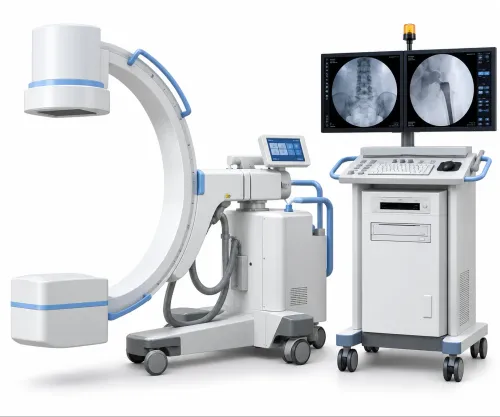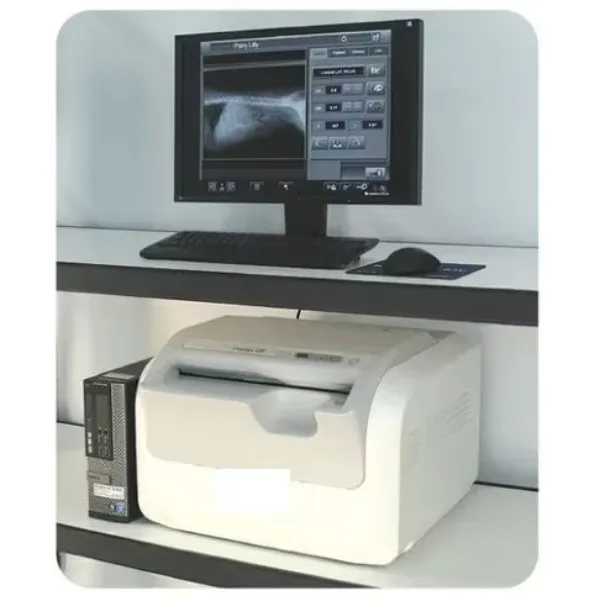
Medical imaging equipment represents a significant investment for hospitals, diagnostic centres, and clinics. While many healthcare providers aim to adopt digital imaging technology, budget constraints often influence purchasing decisions. This is why a Refurbished CR System has become a practical option for many facilities looking to modernize without making the financial commitment required for brand-new equipment.
Across Nashik and Maharashtra, diagnostic centres are increasingly evaluating whether refurbished imaging systems can deliver dependable performance while keeping operating costs under control. Companies such as Spark Medical Services assist healthcare providers in selecting refurbished solutions that meet clinical standards and operational requirements.
What Is a Refurbished CR System?
A Refurbished Computed Radiography (CR) System is previously used medical imaging equipment that has undergone inspection, repair, calibration, component replacement where necessary, software updates, and quality testing before being made available for reuse.
Unlike second-hand equipment sold without evaluation, professionally refurbished systems are restored to reliable working condition through a structured refurbishment process.
Most refurbished systems include:
- CR reader
- Image processing software
- Workstation
- Compatible imaging plates
- Updated operating software
- Performance testing and calibration
The exact configuration depends on the equipment model and the requirements of the healthcare facility.
Why Healthcare Providers Consider Refurbished Equipment
Not every hospital or diagnostic centre requires the latest generation of imaging technology. Many facilities prioritize dependable performance, affordable ownership, and easier implementation.
A refurbished CR System can be particularly suitable for:
- New diagnostic centres
- Small hospitals
- Community healthcare facilities
- Orthopedic clinics
- Rural healthcare providers
- Backup imaging departments
For growing healthcare organizations, refurbished equipment often provides an effective balance between cost and functionality.
Refurbished CR System vs New CR System
Both options have advantages depending on clinical requirements and budget.
Refurbished CR System
Advantages
- Lower initial investment
- Faster return on investment
- Proven technology
- Suitable for moderate imaging volumes
- Shorter purchasing cycle in many cases
Considerations
- Equipment age may vary
- Future upgrade options should be evaluated
- Availability depends on market inventory
New CR System
Advantages
- Latest hardware and software
- Manufacturer warranty
- Longer expected product lifecycle
- New-generation features
Considerations
- Higher purchase cost
- Larger capital investment
- Longer procurement process for certain models
Healthcare administrators should evaluate total ownership cost rather than focusing only on purchase price.
What Should Be Checked Before Buying?
Purchasing refurbished medical equipment requires careful evaluation.
A reliable supplier should provide information about:
- Equipment history
- Refurbishment process
- Calibration records
- Software version
- Detector condition
- Image quality testing
- Warranty availability
- Service support
Requesting documentation helps buyers make informed decisions while reducing future maintenance concerns.
Benefits for Diagnostic Centres
For facilities performing routine X-ray examinations, a refurbished CR System offers several practical benefits.
These include:
- Reduced startup costs
- Reliable digital workflow
- Improved image management
- Lower operational expenses compared to film-based imaging
- Better patient service through faster reporting
These advantages make refurbishment an attractive option for organizations expanding diagnostic capabilities without excessive capital expenditure.
Common Mistakes Buyers Should Avoid
Purchasing refurbished equipment without proper evaluation can create avoidable challenges.
Common mistakes include:
- Buying from suppliers without technical expertise
- Ignoring service availability
- Overlooking software compatibility
- Failing to inspect image quality
- Not verifying spare parts support
- Choosing equipment based only on price
Working with an experienced provider helps minimize these risks.
Questions to Ask Before Purchasing
Healthcare decision-makers should ask several important questions before finalizing their investment.
- Has the equipment been fully tested?
- Which components were replaced during refurbishment?
- Is preventive maintenance available?
- Are software updates included?
- What warranty coverage is provided?
- Can the system integrate with existing PACS and Hospital Management Systems?
These questions provide greater confidence during the purchasing process.
Frequently Asked Questions
Is a refurbished CR System reliable?
Yes. When professionally refurbished, tested, and maintained, many CR systems continue to deliver dependable clinical performance for years.
Does refurbished equipment support DICOM?
Most professionally refurbished CR systems support DICOM standards, allowing integration with PACS, RIS, and other hospital software.
Is image quality comparable?
If the imaging plates, reader, and processing software are properly calibrated, refurbished systems can produce high-quality diagnostic images suitable for routine clinical use.
Who should consider a refurbished CR System?
Diagnostic centres, nursing homes, specialty clinics, and hospitals seeking affordable digital imaging solutions often find refurbished systems to be a practical investment.
Digital radiography continues to reshape diagnostic healthcare, but upgrading does not always require purchasing brand-new equipment. A Refurbished CR System offers many healthcare facilities an opportunity to adopt digital imaging technology while managing budgets responsibly.
For hospitals and diagnostic centres in Nashik, selecting equipment from an experienced provider with strong technical support, transparent refurbishment practices, and dependable after-sales service can help ensure reliable performance and long-term value.
Keywords