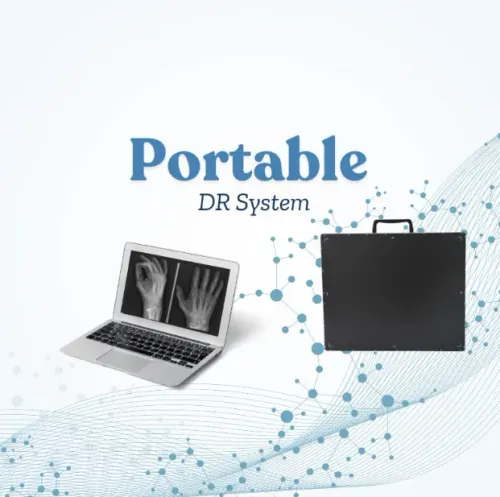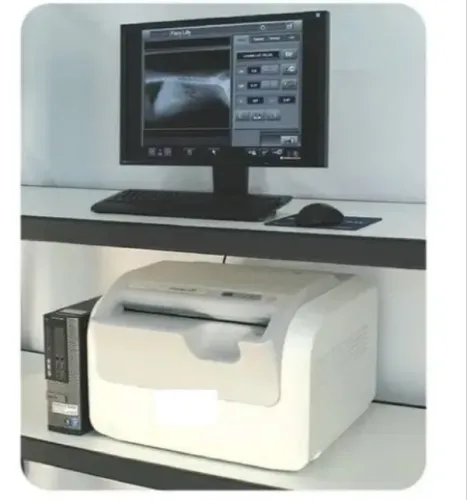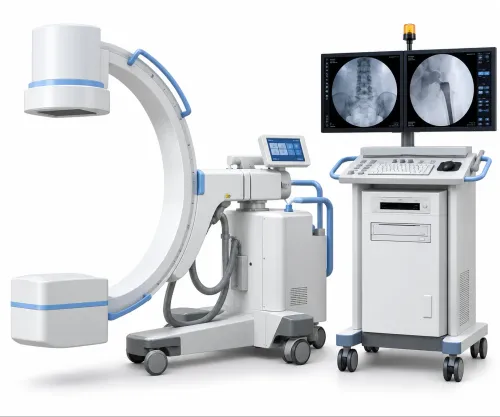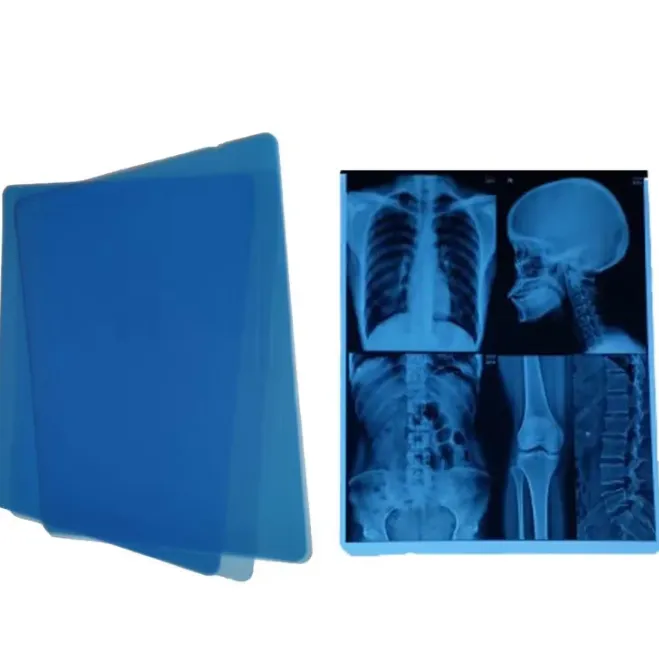
Medical imaging has undergone a remarkable transformation with the widespread adoption of digital radiography, computed radiography, CT, MRI, and ultrasound systems. While digital image storage is now the standard in many hospitals, printed diagnostic images continue to serve an important role for patient records, referrals, consultations, and documentation. One solution gaining attention is Inkjet Blue Base Film, which offers a practical alternative to conventional laser X-ray film for many clinical applications.
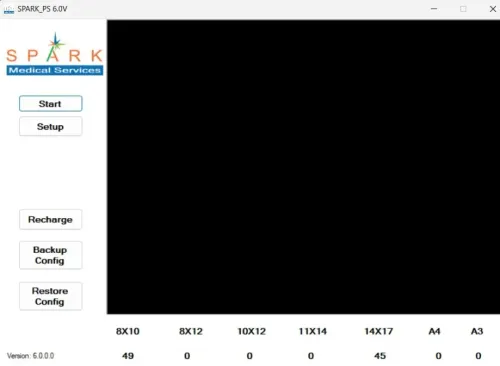
As diagnostic centres and hospitals across Nashik modernize their imaging infrastructure, providers like Spark Medical Services help healthcare facilities identify printing solutions that balance image quality, operational efficiency, and cost.
What Is Inkjet Blue Base Film?
Inkjet Blue Base Film is a specially manufactured medical printing film designed for compatible inkjet printers. It reproduces DICOM medical images with excellent clarity while providing the familiar blue background commonly associated with radiology films.
The film is widely used for printing images generated from:
- Digital Radiography (DR)
- Computed Radiography (CR)
- CT Scan
- MRI
- Ultrasound
- Mammography
- Dental Imaging
Unlike ordinary photo paper, medical blue base film is designed specifically for healthcare applications, ensuring consistent image reproduction and long-term durability.
Why Is Blue Base Film Still Relevant?
Many hospitals have adopted PACS and cloud-based image storage, yet printed images continue to be necessary in several situations.
Common uses include:
- Referrals to specialists
- Patient copies of diagnostic studies
- Insurance documentation
- Medical education
- Inter-hospital consultations
- Long-term patient records where printed copies are requested
Because not every healthcare provider has immediate digital access, printed films remain valuable in day-to-day medical practice.
Inkjet Blue Base Film vs Traditional Laser Film
Choosing between the two depends on the healthcare facility's workflow and printing requirements.
Inkjet Blue Base Film
Advantages
- Lower printing costs
- Compatible with many medical inkjet printers
- Good image contrast
- Lightweight and easy to handle
- Suitable for routine image distribution
- Cost-effective for diagnostic centres with regular printing needs
Considerations
- Requires compatible inkjet printing systems
- Print quality depends on printer calibration and ink quality
Traditional Laser X-Ray Film
Advantages
- Exceptional diagnostic image consistency
- Designed for high-volume hospital environments
- Long-established imaging standard
- Suitable for primary diagnostic viewing where required
Considerations
- Higher equipment costs
- More expensive film media
- Greater maintenance requirements for laser imagers
Healthcare administrators should evaluate both clinical requirements and operational costs before selecting a printing solution.
Factors to Consider Before Purchasing
Before investing in Inkjet Blue Base Film, hospitals should assess several practical aspects.
Printer Compatibility
Not all printers are designed for medical imaging films. Confirm compatibility with the selected inkjet printer before purchasing supplies.
Image Resolution
High-resolution output is essential for maintaining the visibility of anatomical details. Ensure that both the printer and film support diagnostic-quality printing.
Film Size Options
Medical facilities often require different film dimensions depending on the imaging modality. Selecting a supplier that offers multiple size options improves flexibility.
Storage Conditions
Like other medical media, blue base films should be stored in clean, dry conditions away from excessive heat, humidity, and direct sunlight to maintain print quality.
Benefits for Diagnostic Centres
Diagnostic centres handling a steady volume of outpatient imaging often benefit from Inkjet Blue Base Film because it combines affordability with reliable image reproduction.
Some practical advantages include:
- Reduced printing expenses
- Faster report delivery
- Professional presentation of diagnostic images
- Easy distribution to referring physicians
- Consistent print quality for routine examinations
These benefits become especially valuable for centres looking to optimize operating costs without compromising service quality.
Common Mistakes to Avoid
Healthcare facilities sometimes experience printing issues due to preventable errors.
Avoid these common mistakes:
- Using non-compatible printers
- Selecting low-quality inks
- Ignoring printer calibration
- Improper film storage
- Handling films with dirty or wet hands
- Purchasing films without verifying DICOM printing compatibility
Proper equipment maintenance and quality media contribute significantly to consistent image output.
Frequently Asked Questions
Is Inkjet Blue Base Film suitable for DR and CR systems?
Yes. It is commonly used for printing images generated from Digital Radiography and Computed Radiography systems using compatible medical printers.
Can these films replace laser films completely?
The answer depends on the facility's workflow and diagnostic requirements. Many centres use inkjet films for routine printing while reserving laser films for specific clinical needs.
Does the film provide good image clarity?
High-quality medical blue base films are designed to deliver sharp grayscale reproduction, making them suitable for referrals, consultations, and patient documentation.
How should the films be stored?
Store them in a cool, dry environment away from direct sunlight, dust, and excessive humidity to preserve image quality over time.
Although healthcare continues moving toward fully digital workflows, printed medical images remain an important part of clinical communication. Inkjet Blue Base Film provides healthcare facilities with a practical, economical solution for producing professional-quality diagnostic prints while supporting efficient day-to-day operations.
For hospitals and diagnostic centres in Nashik seeking dependable medical printing solutions, experienced providers such as Spark Medical Services can help identify compatible products that integrate smoothly with existing imaging systems and meet both clinical and operational requirements.
Keywords