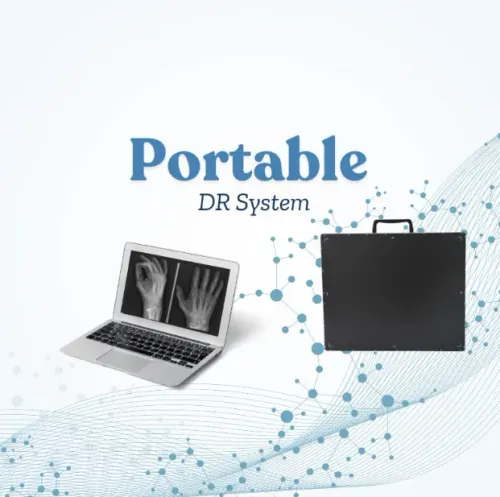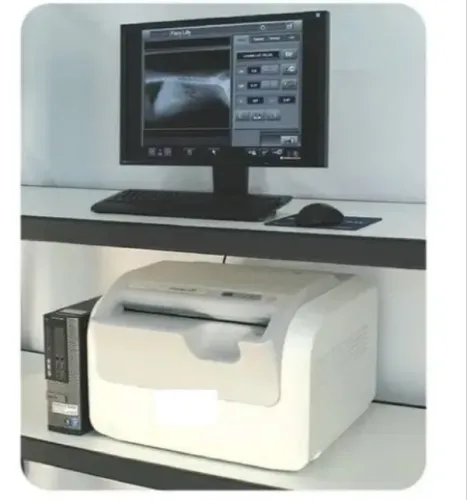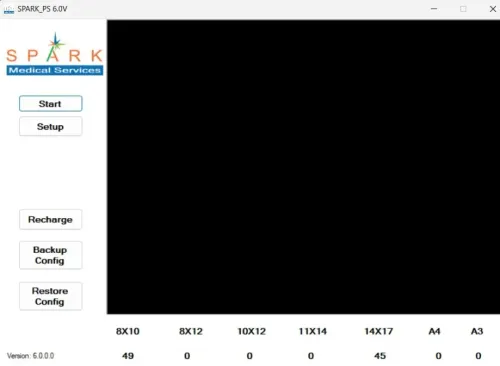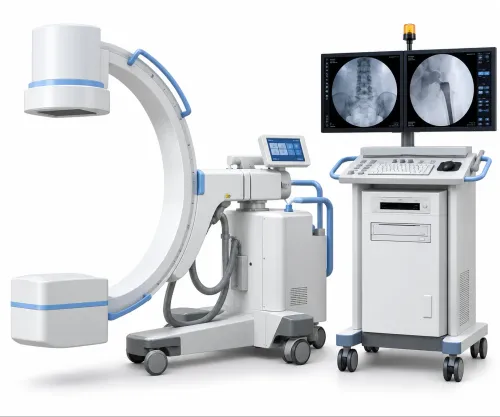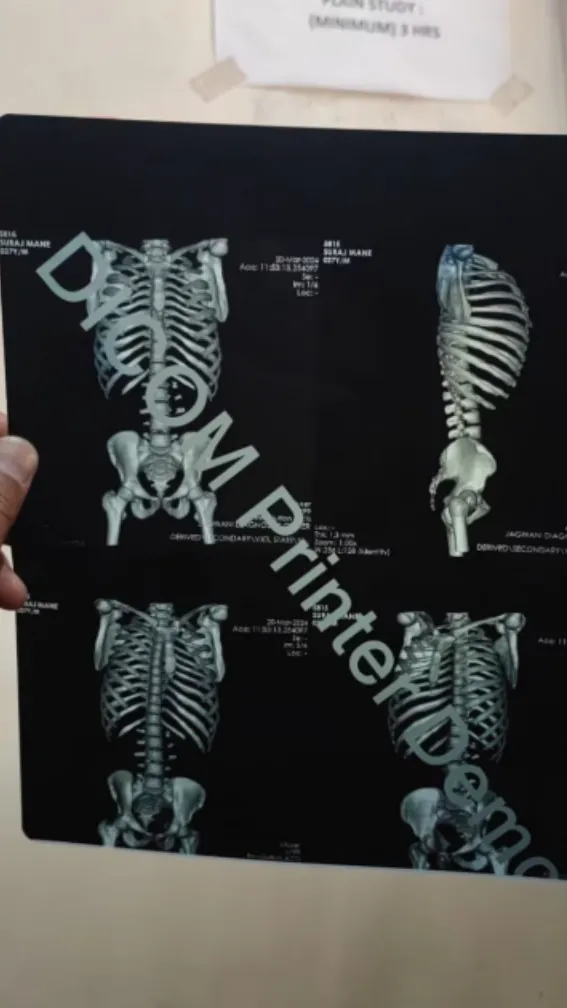
Medical imaging has become almost entirely digital, yet printed diagnostic images continue to play an important role in healthcare. Patients often require printed scans for referrals, insurance documentation, second opinions, or personal records. This is where DICOM Paper Print Software provides a practical and cost-effective solution. Instead of relying solely on expensive medical film printers, healthcare facilities can produce high-quality image prints on paper while maintaining diagnostic clarity for non-primary review.
As hospitals and diagnostic centres across Nashik continue their digital transformation, solutions offered by providers like Spark Medical Services help bridge the gap between digital imaging systems and everyday printing requirements.
What Is DICOM Paper Print Software?
DICOM (Digital Imaging and Communications in Medicine) is the international standard used to store, transfer, and manage medical images. DICOM Paper Print Software converts these digital images into printable layouts that can be produced using compatible laser or inkjet printers.
Unlike ordinary image-printing software, it is specifically designed for medical imaging and preserves essential patient and examination information within the print layout.
The software supports images from multiple imaging modalities, including:
- Digital X-ray (DR)
- Computed Radiography (CR)
- CT Scan
- MRI
- Ultrasound
- Mammography
- Fluoroscopy
This makes it suitable for healthcare facilities that manage different diagnostic departments.
Why Hospitals Still Need Printed Images
Although many healthcare providers have adopted PACS and cloud-based image storage, printed reports remain valuable in several situations.
Common scenarios include:
- Patients visiting another specialist
- Rural healthcare referrals where digital access is limited
- Insurance claim documentation
- Medical record submissions
- Educational case discussions
- Legal or administrative documentation
Providing a clear paper print improves communication while reducing dependence on physical X-ray films.
Advantages of Using DICOM Paper Print Software
Healthcare administrators often look for solutions that improve efficiency while reducing operating costs. DICOM Paper Print Software offers several practical advantages.
Lower Printing Costs
Medical blue film and laser imaging films are considerably more expensive than paper printing. Using standard paper for routine image sharing can significantly reduce recurring operational expenses.
Faster Workflow
Medical staff can print diagnostic images directly from the workstation without waiting for specialized film printers. This speeds up patient discharge, consultation, and reporting.
Better Accessibility
Patients find paper reports easier to carry, store, and share with physicians, especially during follow-up consultations.
Flexible Printing Options
Most software supports multiple page layouts, allowing several diagnostic images to appear on a single sheet without compromising readability.
Features to Look for Before Choosing Software
Not every DICOM printing solution offers the same functionality. Before implementation, hospitals should evaluate features that improve day-to-day operations.
Important capabilities include:
- DICOM compatibility
- Patient information display
- Custom print templates
- Multi-image layouts
- Adjustable image scaling
- Annotation support
- High-resolution output
- Easy printer configuration
- User-friendly interface
Choosing software with these features reduces staff training time and simplifies daily use.
Integration with Existing Hospital Systems
Modern healthcare environments rely on interconnected digital platforms rather than standalone applications. A quality DICOM Paper Print Software solution should integrate seamlessly with:
- PACS
- Hospital Management Systems
- Radiology Information Systems (RIS)
- Digital radiography systems
- CT and MRI workstations
This allows medical images to move smoothly between acquisition, reporting, storage, and printing without unnecessary manual intervention.
For diagnostic centres in Nashik handling a large number of patients every day, such integration helps improve workflow and minimizes administrative delays.
Common Misconceptions About Paper Printing
Many healthcare professionals assume that paper printing has become obsolete. In reality, it continues to serve important clinical and administrative purposes.
Myth: Paper prints replace diagnostic films.
Fact: Paper prints are generally intended for consultation, documentation, referrals, and patient communication rather than primary diagnosis.
Myth: Paper printing reduces image quality significantly.
Fact: Modern DICOM Paper Print Software produces clear, well-organized prints that are suitable for many non-diagnostic applications.
Myth: Digital hospitals no longer require printed reports.
Fact: Even fully digital hospitals frequently provide printed copies when requested by patients, referring physicians, or insurance providers.
How It Improves Patient Experience
Patients often appreciate receiving information in a format that is easy to understand and transport. Paper image prints can improve communication during consultations by allowing physicians to explain findings directly on the printed images.
Benefits include:
- Easier record keeping
- Convenient referrals
- Reduced dependence on CDs or USB drives
- Faster report collection
- Better patient satisfaction
These practical advantages contribute to a smoother overall healthcare experience.
Questions Healthcare Facilities Often Ask
Can paper print software work with existing imaging equipment?
Yes. Most modern solutions are compatible with DICOM-compliant imaging devices, including CR, DR, CT, MRI, and ultrasound systems.
Does it replace PACS?
No. PACS remains the primary system for storing and managing medical images. Paper print software complements PACS by providing an efficient printing option.
Is special hardware required?
In many cases, the software works with standard high-quality laser or inkjet printers, reducing the need for dedicated film printing equipment.
Can multiple images be printed on one page?
Yes. Most applications support customizable layouts that allow several images to be arranged on a single sheet, helping save paper while keeping reports organized.
As healthcare continues to embrace digital technologies, practical tools that improve efficiency remain essential. DICOM Paper Print Software offers hospitals and diagnostic centres an economical way to provide clear printed medical images without depending entirely on costly film printing.
For healthcare providers across Nashik and Maharashtra, choosing a solution that integrates smoothly with existing imaging infrastructure can simplify workflows, reduce operating costs, and enhance the overall patient experience.
Providers such as Spark Medical Services support medical facilities in implementing solutions that fit seamlessly into their daily radiology operations.
Keywords