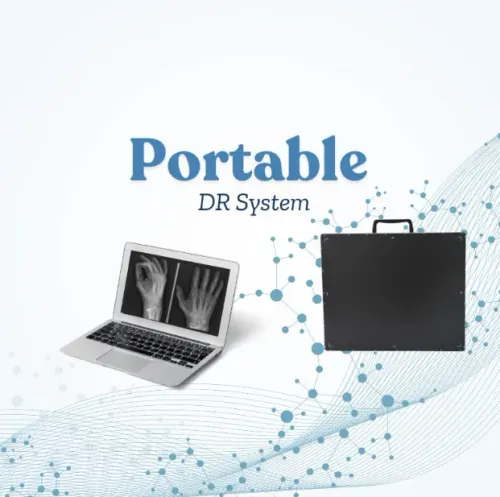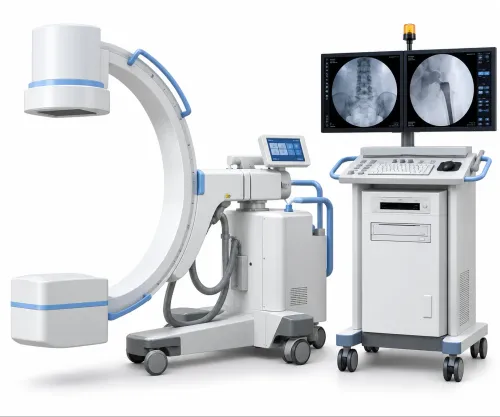
Digital radiography has changed the way diagnostic centres and hospitals manage routine X-ray examinations. Instead of processing conventional films or relying on intermediate image-conversion steps, a Varex DR System can support direct digital image acquisition, allowing radiology teams to review images shortly after exposure.
For hospitals and diagnostic facilities in Mumbai, Maharashtra, where patient volumes can be high and turnaround time matters, an efficient DR workflow can help radiology departments handle examinations more systematically.
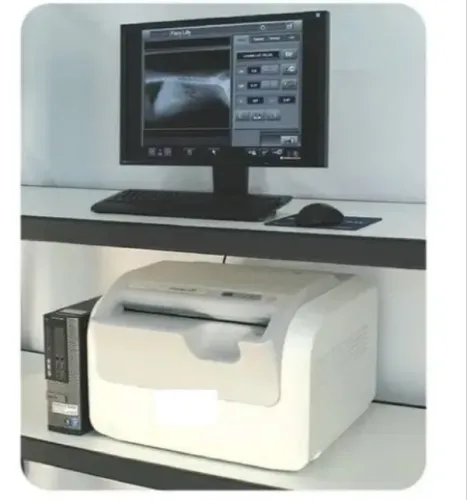
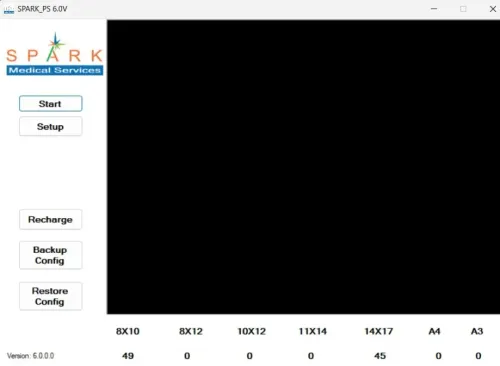
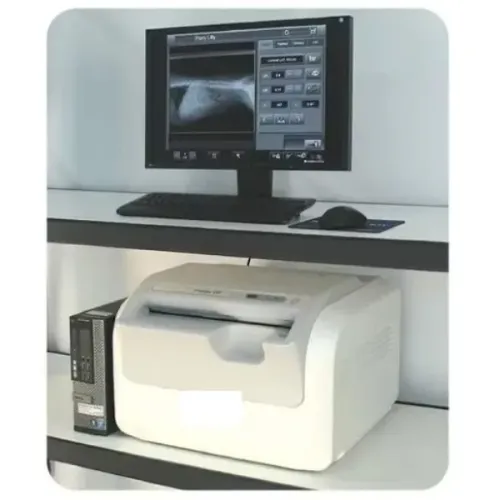
A digital radiography system generally uses a detector to capture X-ray information and convert it into a digital image. The image can then be displayed on the acquisition workstation for review, processing, storage, or transfer.
What Makes DR Useful in a Busy Radiology Department
Moving from conventional or older imaging workflows to DR can reduce several manual steps. Depending on the configuration of the facility, practical advantages may include:
- Faster image availability after exposure
- Reduced dependence on film-based processing
- Easier image review at the workstation
- Digital transfer to compatible PACS environments
- More convenient image archiving
- Better workflow between technicians and reporting doctors
These benefits become particularly relevant for diagnostic centres managing a continuous flow of X-ray examinations.
What Should Facilities Evaluate Before Selecting a DR System?
The detector is only one part of a successful installation. Buyers should consider the complete workflow.
Detector size and application requirements need to match the examinations commonly performed at the facility. The acquisition workstation should also be practical for technicians who use it throughout the day.
Compatibility is another important consideration. If the hospital already uses PACS, DICOM-enabled software or other radiology infrastructure, the proposed DR configuration should be evaluated for integration requirements before installation.
Physical conditions matter as well. Existing X-ray equipment, room layout, power arrangements and workflow expectations can influence the appropriate configuration.
Planning for Long-Term Use
A DR purchase should not be treated only as an equipment transaction. Installation support, configuration, application assistance, service accessibility and availability of technical expertise can affect long-term usability.
Spark Medical Services works with medical imaging requirements where facilities may need DR equipment along with related radiology technology and support. For healthcare organisations in Mumbai, evaluating the complete system rather than only comparing detector specifications can lead to a more practical procurement decision.
The right DR setup should fit the actual examination workload, existing equipment and digital imaging environment. A structured assessment before procurement helps hospitals and diagnostic centres choose technology that can become a functional part of their everyday radiography workflow.
Keywords