Medical imaging departments can generate a substantial volume of digital information every day. X-rays, CT scans, MRI studies and other examinations need to be stored, retrieved and made available to authorised users when required. A PACS System provides an organised framework for managing these digital medical images.
For hospitals and diagnostic centres in Nashik, Maharashtra, PACS can become an important part of the transition from isolated imaging equipment to a connected radiology workflow.
PACS stands for Picture Archiving and Communication System. In simple terms, it allows medical images to be stored digitally and accessed through compatible systems rather than relying entirely on physical film archives.
How PACS Fits into Imaging Workflow
A typical imaging workflow begins when an examination is performed on a compatible modality. Images can then be transmitted through the network to PACS, where they are stored and made available for authorised viewing.
Depending on the environment, PACS may interact with:
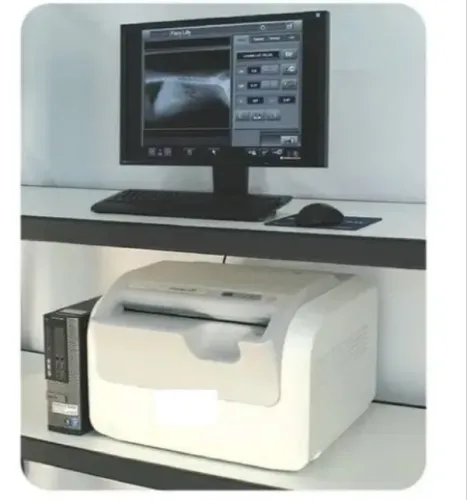
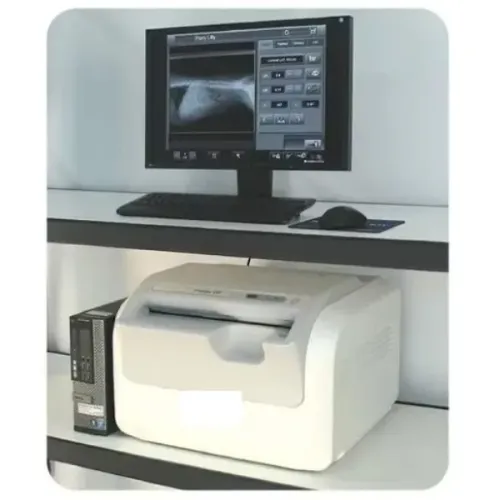
- CR and DR systems
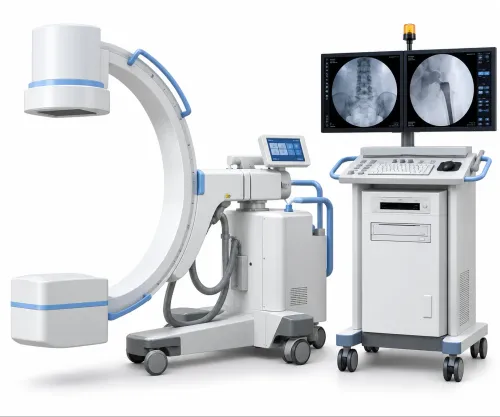
- CT and MRI equipment
- DICOM viewers
- Reporting workstations
- Hospital information systems
- Imaging archives
This connectivity can make it easier for radiology teams to locate previous examinations and review relevant imaging information.
Why Image Storage Needs Planning
Digital storage is more convenient than maintaining large physical film archives, but it still requires careful planning.
Healthcare facilities need to consider storage capacity, backup arrangements, network performance, user permissions and future data growth. A system that meets today's storage requirement may become inadequate as examination volumes increase.
Retrieval speed is equally important. Images should be organised so authorised users can locate the required study without searching through disconnected folders or manually maintained records.
PACS Is More Than an Archive
Treating PACS purely as storage can overlook much of its operational value. A well-configured environment can help connect image acquisition, viewing, reporting and retrieval.
Before implementation, healthcare organisations should therefore assess their modalities, DICOM compatibility, network infrastructure, number of users and expected image volumes.
Spark Medical Services supports healthcare facilities with medical imaging technology requirements where PACS and associated digital systems may form part of the overall radiology environment.
For facilities in Nashik, the practical goal is to build an imaging workflow in which information moves securely and efficiently from acquisition to storage and authorised review. When infrastructure, compatibility and capacity are evaluated together, PACS can provide a scalable foundation for managing growing volumes of digital medical imaging.
Keywords