Healthcare is no longer limited to hospitals and clinics. Advances in medical technology and professional caregiving have made Home Health Care a practical option for many patients who require medical attention without prolonged hospital stays. Whether recovering from surgery, managing a chronic illness, or supporting elderly family members, home-based healthcare services offer comfort while maintaining continuity of care.
Across Nashik and other parts of Maharashtra, more families are exploring home healthcare as a safe and convenient alternative for eligible patients. With experienced providers such as Spark Medical Services, patients can access professional medical support while remaining in familiar surroundings.
What Is Home Health Care?
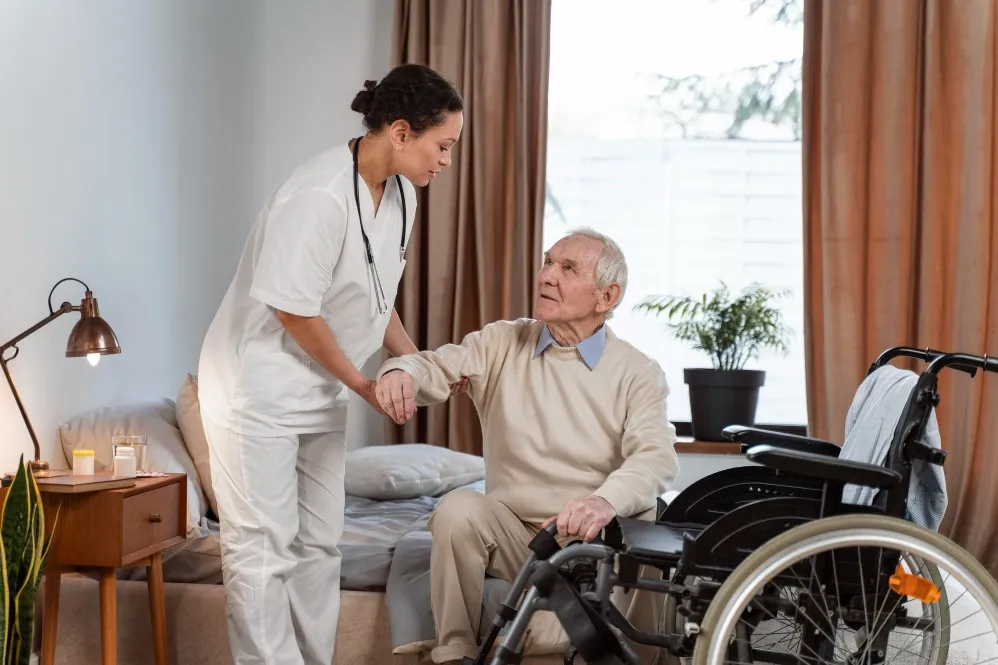
Home Health Care refers to professional medical and supportive services delivered at a patient's residence. Unlike non-medical caregiving, these services are often provided by trained healthcare professionals, including nurses, physiotherapists, technicians, and caregivers, depending on the patient's condition.
The objective is to help patients recover, manage ongoing health conditions, and maintain a better quality of life without frequent hospital visits whenever medically appropriate.
Services may include:
- Nursing care
- Post-operative support
- Medication administration
- Wound dressing
- Physiotherapy
- Vital sign monitoring
- Elderly care assistance
- Medical equipment support
The exact care plan depends on the patient's diagnosis and the recommendations of the treating physician.
Who Can Benefit from Home Health Care?
Not every patient requires hospitalization throughout their recovery. Home healthcare can be suitable for individuals who are medically stable but still need professional supervision.
Common situations include:
- Recovery after surgery
- Stroke rehabilitation
- Orthopedic recovery
- Chronic disease management
- Elderly patients needing regular monitoring
- Patients with limited mobility
- Individuals requiring long-term nursing care
For many families, receiving healthcare at home reduces travel challenges while allowing patients to recover in a more relaxed environment.
Advantages of Receiving Care at Home
Home Health Care offers several practical benefits for both patients and caregivers.
Greater Comfort
Patients generally feel more relaxed in familiar surroundings. Being close to family members can positively influence emotional well-being during recovery.
Reduced Hospital Visits
Routine nursing procedures, medication management, and monitoring can often be performed at home, reducing unnecessary trips to healthcare facilities.
Personalized Attention
Home healthcare professionals usually care for fewer patients at a time, allowing them to focus more closely on individual needs.
Better Infection Control
Remaining at home may reduce exposure to hospital-acquired infections, particularly for elderly individuals and those with weakened immune systems.
Family Participation
Family members can actively participate in the care process while receiving guidance from healthcare professionals.
What Services Are Commonly Included?
Healthcare providers customize services according to medical requirements.
A typical home healthcare plan may involve:
- Blood pressure and blood sugar monitoring
- Injection administration
- IV fluid management
- Catheter care
- Feeding tube assistance
- Post-surgical wound care
- Mobility support
- Rehabilitation exercises
- Oxygen therapy assistance
- Patient education
Some patients may require only short-term assistance, while others benefit from ongoing long-term care.
Choosing the Right Home Health Care Provider
Selecting a reliable provider is essential for ensuring patient safety and quality care.
Before making a decision, consider the following checklist:
- Are the caregivers properly trained?
- Does the provider offer qualified nursing staff?
- Is emergency support available if required?
- Can services be customized for specific medical conditions?
- Are infection control practices followed?
- Is there clear communication with the patient's treating doctor?
These questions help families evaluate whether the provider can meet the patient's healthcare needs.
Common Misconceptions About Home Healthcare
There are several myths surrounding home-based medical care.
Myth: Home healthcare is only for elderly patients.
Fact: People of all ages recovering from surgery, illness, or injury may benefit from professional care at home.
Myth: Home care replaces hospital treatment.
Fact: Home healthcare complements hospital treatment and is typically recommended after medical evaluation.
Myth: Professional care cannot be delivered outside a hospital.
Fact: Many nursing procedures, rehabilitation therapies, and monitoring services can be performed safely in a home setting when supervised by trained professionals.
When Should Hospital Care Still Be Preferred?
While home healthcare is valuable, certain situations require immediate hospital treatment.
These include:
- Medical emergencies
- Severe breathing difficulties
- Uncontrolled bleeding
- Major trauma
- Critical care requirements
- Conditions requiring continuous intensive monitoring
A physician should always determine whether home care is appropriate based on the patient's medical condition.
Frequently Asked Questions
Is Home Health Care suitable after surgery?
Yes. Many patients recovering from orthopedic, abdominal, cardiac, or general surgical procedures receive nursing support and rehabilitation at home after hospital discharge.
Can elderly patients receive regular monitoring?
Yes. Home healthcare often includes routine health assessments, medication management, mobility assistance, and general nursing care for senior citizens.
Is medical equipment available for home use?
Depending on the patient's needs, equipment such as hospital beds, oxygen concentrators, wheelchairs, patient monitors, or mobility aids may be arranged through healthcare providers.
How is a home care plan decided?
The care plan is generally based on the treating doctor's recommendations, the patient's diagnosis, recovery goals, and the level of medical support required.
Home healthcare continues to reshape the way patients receive medical support by combining professional care with the comfort of familiar surroundings. For many families in Nashik, it offers a practical solution that balances convenience, safety, and personalized attention.
By working with experienced providers such as Spark Medical Services, patients can receive structured, medically supervised care that supports recovery while helping them maintain independence and quality of life at home.
Keywords