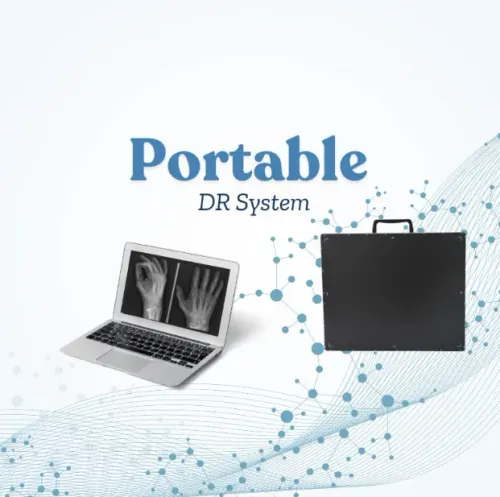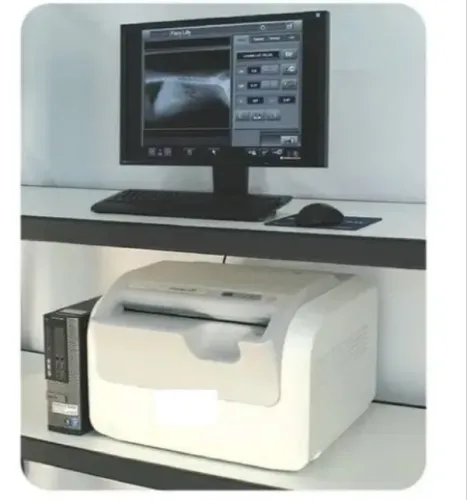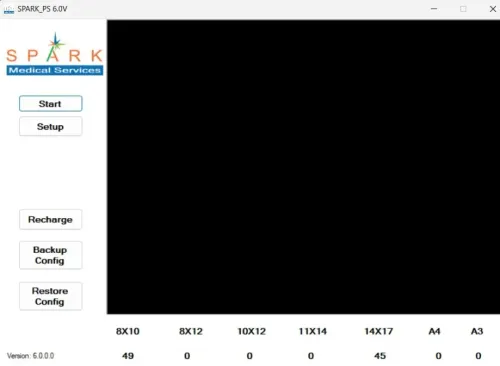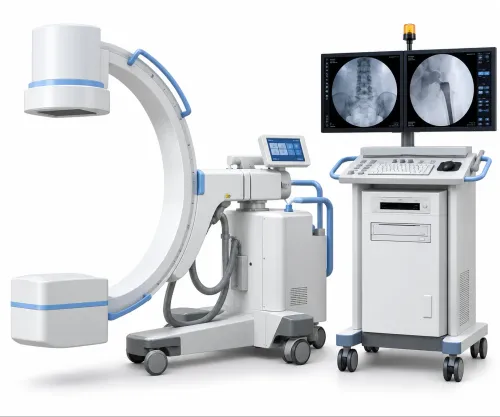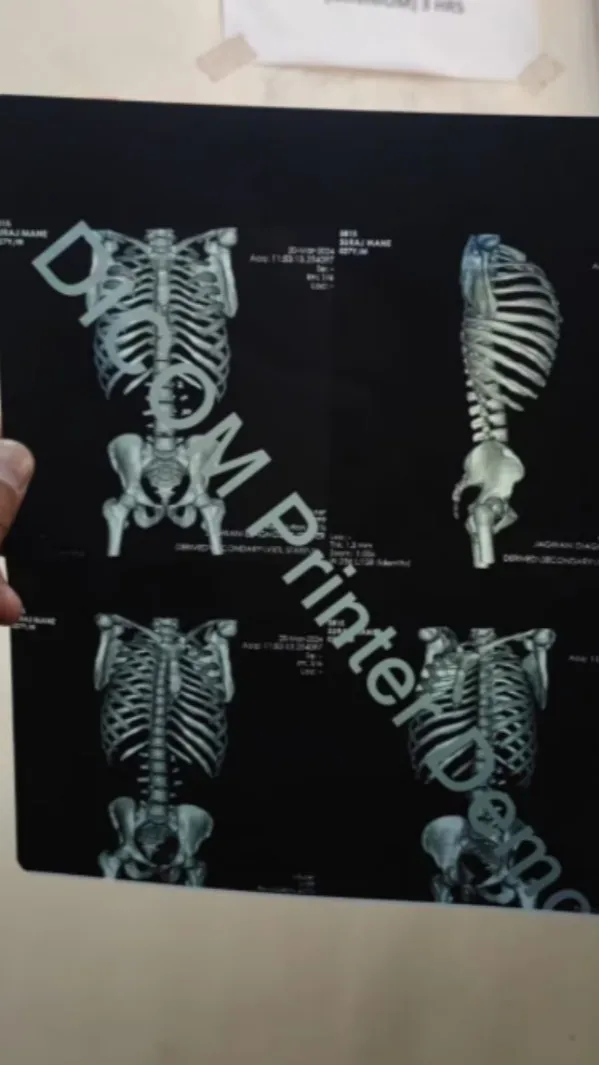
Radiology departments increasingly work with digital images, but printed output is still required in many healthcare environments. DICOM Printing Software provides a bridge between digital medical imaging systems and compatible printing workflows, helping facilities organise images before producing diagnostic films or other supported outputs.
For diagnostic centres and hospitals in Pune, Maharashtra, understanding how DICOM printing works is useful when modernising an existing radiology setup without disrupting established reporting and image-delivery processes.
DICOM stands for Digital Imaging and Communications in Medicine. It is a widely used standard for handling, storing and exchanging medical imaging information. DICOM printing solutions are designed to work within this environment rather than treating medical images like ordinary photographs.
What Does DICOM Printing Software Do?
Depending on the software and system configuration, it may allow users to:
- Receive images from compatible imaging systems
- Select images required for printing
- Arrange multiple images on a film or page
- Adjust supported layout parameters
- Route print jobs to configured printers
- Maintain a more organised imaging workflow
This can be particularly useful when images originate from modalities such as CR, DR, CT or other DICOM-compatible systems.
Why Is Compatibility Important?
Not every printer or imaging device automatically works with every DICOM solution. Before implementation, the facility should identify the modalities sending images, the printer receiving jobs and the communication requirements between them.
The existing network environment also matters. Incorrect configuration can result in failed transfers, unavailable devices or interruptions in printing.
A technical assessment should therefore cover both software requirements and the equipment already installed at the site.
Digital Workflow Does Not Always Mean Film-Free
Some facilities have moved extensively toward PACS and digital viewing, while others continue to provide printed images because of physician preferences, patient requirements or established referral workflows.
DICOM printing can therefore remain relevant even as healthcare becomes increasingly digital. The objective is not simply to print an image but to make printing part of a controlled medical imaging workflow.
Spark Medical Services supports radiology technology requirements that can include DICOM-related solutions for healthcare facilities. For organisations in Pune evaluating printing software, attention should be given to compatibility, workflow simplicity, image handling and technical support.
A properly planned DICOM printing environment can reduce unnecessary manual processes and make it easier for imaging teams to move from digital acquisition to the required output without repeatedly transferring files between unrelated systems.
Keywords