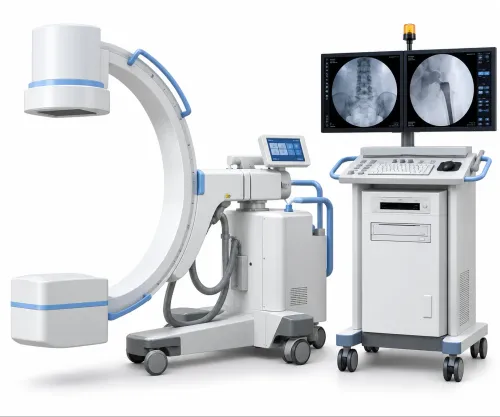
Running a hospital today involves much more than providing quality medical care. Patient registration, appointments, billing, pharmacy management, laboratory coordination, inventory, medical records, and reporting all need to work together efficiently. A modern Hospital Management System (HMS) brings these functions onto a single digital platform, helping healthcare providers improve operational efficiency while delivering a better patient experience.
As hospitals and clinics across Nashik continue adopting digital healthcare technologies, experienced solution providers such as Spark Medical Services assist medical institutions in implementing Hospital Management Systems that match their size, specialty, and workflow requirements.
What Is a Hospital Management System?
A Hospital Management System is an integrated software platform designed to manage the day-to-day operations of healthcare facilities. Instead of maintaining multiple standalone systems or manual registers, an HMS centralizes information so departments can work more efficiently.
Typical modules include:
- Patient Registration
- Appointment Scheduling
- Electronic Medical Records (EMR)
- Billing and Accounts
- Pharmacy Management
- Laboratory Management
- Radiology Integration
- Inventory Control
- Doctor Management
- Reports and Analytics
The goal is simple: reduce paperwork, improve coordination, and ensure patient information is readily available when needed.
Why Healthcare Facilities Are Moving Toward Digital Management
Manual administrative processes can slow down hospital operations and increase the likelihood of errors. Digital management systems help streamline these tasks while improving communication across departments.
Some of the key advantages include:
- Faster patient registration
- Reduced paperwork
- Better record accuracy
- Improved billing efficiency
- Easier appointment management
- Secure storage of patient information
- Faster access to medical history
For growing healthcare facilities in Maharashtra, these improvements can make a significant difference in both operational performance and patient satisfaction.
Essential Features to Look For
Not every Hospital Management System offers the same capabilities. Selecting the right solution requires understanding the facility's present needs as well as future expansion plans.
A comprehensive HMS should include:
User-Friendly Dashboard
Doctors, nurses, receptionists, and administrators should be able to navigate the system without extensive training. A clean interface improves productivity and reduces mistakes.
Appointment Management
An effective scheduling module helps avoid double bookings, minimizes patient waiting times, and allows staff to manage doctor availability efficiently.
Electronic Medical Records
Digital patient records make it easier to review previous consultations, prescriptions, investigations, and treatment history from a single location.
Billing and Insurance Support
Automated billing reduces calculation errors while simplifying insurance claim processing and payment tracking.
Inventory Monitoring
Hospitals need continuous access to medicines, surgical supplies, and consumables. Inventory management helps prevent shortages and reduces unnecessary stock accumulation.
Integration with Diagnostic Equipment
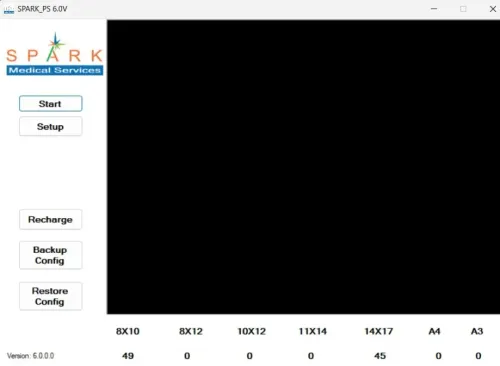
One of the biggest advantages of a modern Hospital Management System is its ability to connect with diagnostic equipment and healthcare software.
A well-designed HMS can integrate with:
- PACS
- DICOM Viewer
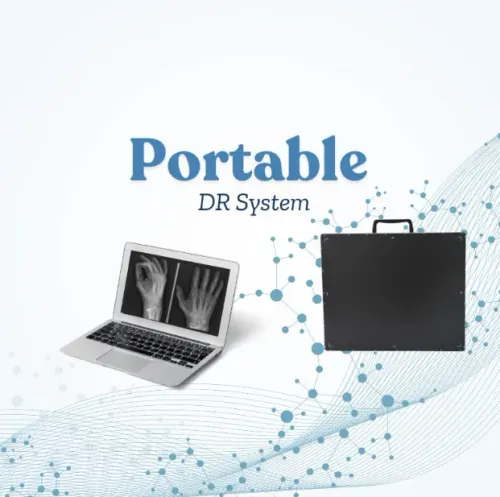
- Digital Radiography (DR) Systems
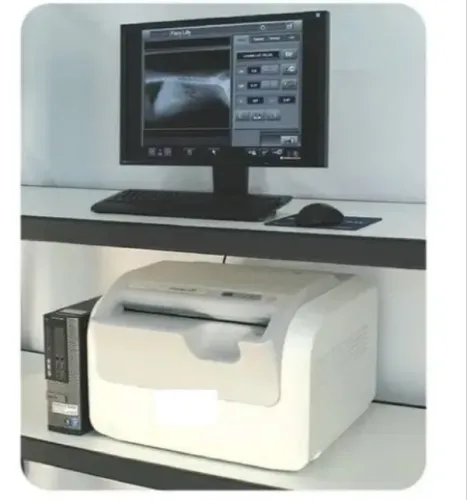
- Computed Radiography (CR) Systems
- Laboratory Information Systems
- Pharmacy Software
This connectivity eliminates duplicate data entry and allows medical staff to access reports quickly.
Benefits for Different Departments
A Hospital Management System supports nearly every department within a healthcare facility.
Reception
- Faster registration
- Appointment tracking
- Queue management
Doctors
- Quick access to patient history
- Digital prescriptions
- Previous diagnostic reports
Laboratory
- Electronic test requests
- Faster report generation
- Better coordination with physicians
Radiology
- Direct access to imaging reports
- Simplified report sharing
- Integration with digital imaging systems
Administration
- Financial reporting
- Performance monitoring
- Department-wise analytics
- Regulatory documentation
This organization helps reduce communication gaps while improving workflow across the entire hospital.
Common Mistakes to Avoid When Selecting an HMS
Choosing software based only on price often leads to operational challenges later. Decision-makers should evaluate several practical factors before making an investment.
Avoid these common mistakes:
- Ignoring future scalability
- Choosing software without technical support
- Overlooking integration capabilities
- Selecting complicated user interfaces
- Not considering staff training requirements
- Failing to evaluate data security features
A structured evaluation process helps healthcare facilities choose software that continues to support their growth.
Questions to Ask Before Implementation
Before finalizing an HMS, hospital administrators should consider asking:
- Can the system integrate with existing medical equipment?
- Is patient data securely stored?
- How easy is software customization?
- What type of training is included?
- How frequently are software updates provided?
- What technical support is available after installation?
Clear answers to these questions reduce implementation challenges and improve long-term usability.
Frequently Asked Questions
Is a Hospital Management System suitable for small clinics?
Yes. Many systems are available in scalable versions that suit single-doctor clinics, diagnostic centres, and multispecialty hospitals.
Can existing patient records be transferred?
In most cases, patient data can be migrated from previous software or digitized from existing records during implementation.
Does an HMS improve patient experience?
Yes. Faster appointments, reduced waiting times, accurate billing, and easy access to medical records contribute to a smoother patient journey.
Is integration with radiology and laboratory systems possible?
Most modern Hospital Management Systems support integration with diagnostic software and imaging platforms using standard healthcare protocols.
Healthcare is becoming increasingly data-driven, and efficient digital management is now a necessity rather than a luxury. A thoughtfully selected Hospital Management System helps hospitals improve operational efficiency, strengthen patient care, and simplify administrative processes.
For healthcare providers in Nashik looking to modernize their operations, partnering with an experienced implementation provider ensures the software is configured to support both current requirements and future expansion while keeping everyday hospital workflows running smoothly.
Keywords